im Duncan never cared about the spotlight. That’s the first thing you notice when you dig into the film of the San Antonio Spurs’ four-title run between 2003 and 2014. The Spurs' Big Three—Duncan, Tony Parker, and Manu Ginobili—won 575 regular-season games together, more than any trio in NBA history at the time of their retirement. But the raw numbers miss the point. What made them different was how little they seemed to care about who got the credit.I still remember a possession from the 2005 Finals against Detroit. Duncan sets a high screen, Parker drives。draws two defenders, and fires a wrap-around pass to Ginobili in the corner. Ginobili pump-fakes, sidesteps, and drills a three. No chest-thumping. No glare at the camera. Just three guys jogging back on defense like they’d done it a thousand times in practice. That was the Spurs' Big Three in a nutshell—clinical, unselfish, almost boring if you weren’t paying attention. Gregg Popovich built an offense around their complementary skills: Duncan’s post gravity, Parker’s speed in the paint, Ginobili’s chaotic creativity. Each one sacrificed stats. Parker never averaged more than 7.0 assists per game until 2009, yet he was the engine. Ginobili came off the bench for most of his prime—a Hall of Famer willingly playing sixth man. Try finding that elsewhere.Chemistry like that doesn’t happen by accident. Popovich once said he coached Duncan differently than he coached Parker, and differently again than Ginobili. Duncan responded to quiet correction. Parker needed a push. Ginobili needed freedom. The Spurs' Big Three worked because they accepted those roles without ego. In 2013, after a heartbreaking Finals loss to Miami, they didn’t blow it up. They came back in 2014 and dismantled the Heat with ball movement that looked like a clinic. That five-game series was the ultimate proof: the Spurs' Big Three didn’t need hero ball. They needed each other.
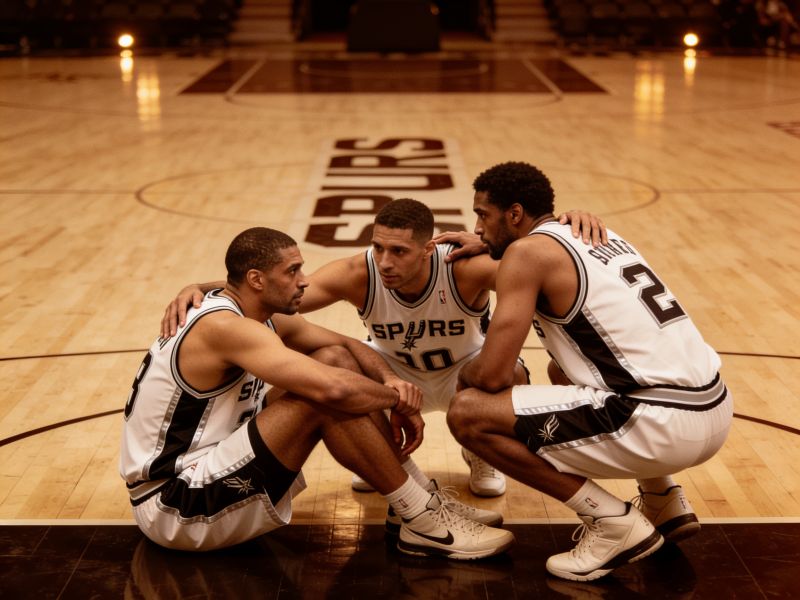
People forget how close it came to falling apart. In 2000, Orlando nearly signed Duncan. In 2010, Ginobili considered leaving. Parker’s name popped up in trade rumors almost every summer. Yet they stayed. That loyalty feels almost archaic now, in an era of player movement and superteams built overnight. I’m not saying they were saints—they argued on the court。and Parker and Ginobili definitely had moments of friction. But they never let it fester. Duncan’s steady presence set the tone. He was the anchor, the guy who showed up in jeans and flip-flops and then quietly dropped 20 and 10. Parker brought the flash. Ginobili brought the wildcard energy. Together, they made the Spurs' Big Three the gold standard for sustainable success.Their legacy isn’t just the four rings or the 126 playoff wins. It’s the blueprint. Look at Denver’s recent title run—Jokic, Murray, and Porter Jr. share the ball the same way. Look at how Boston’s young core talks about sacrifice. The Spurs' Big Three proved you don’t need three alpha scorers to win. You need three players who trust each other more than they trust their own stats. That’s rarer than a 50-40-90 season. And it’s why。a decade after their last title, we’re still talking about them.